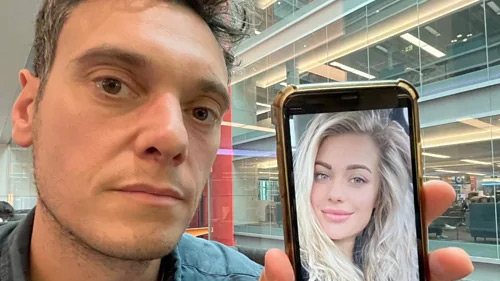
AI Impersonating Celebrities to Commit Scams Rights Protection
Skadden
Views: 1510

Artificial intelligence (AI) and generative technologies (such as deepfake) have made image and sound synthesis easier and more realistic. Consequently, criminals have begun using AI to impersonate celebrities, company executives, or government officials to commit fraud. These scams are not only more visually and aurally convincing, but their "credible facade" also makes victims more likely to lower their guard, leading to significant financial or data losses.
AI celebrity impersonation scams (also known as deepfake impersonation scams) involve fraudsters using artificial intelligence technology to synthesize or modify video and audio, creating speeches, instructions, or short videos that appear to be issued by celebrities, company executives, or government officials. They then use these to lure, intimidate, or mislead targets into transferring money, making investments, or leaking sensitive information. The key is the "credibility of the illusion"—victims, seeing familiar or authoritative faces and voices, tend to believe the messages and act accordingly. Hong Kong police have noted cases of deepfake technology being used in conjunction with other fraudulent methods and have reminded the public to be vigilant in related announcements and public awareness campaigns.
AI-driven celebrity impersonation scams often employ multi-layered, hybrid attacks, typically including the following steps and techniques:
1. Gathering Target Material: Scammers first extract audio and video footage of celebrities or targets from public platforms (news clips, social media videos, speeches, interviews) as training data. Police point out that publicly available online video and audio content provides the raw materials for generating deepfakes.
2. Generating Synthetic Videos/Audio: Using generative AI (such as deep learning models), realistic facial movements, lip-syncing, and voice intonation are synthesized to create videos or recordings that make it seem as if the celebrity is speaking or giving instructions. When the level of synthesis is high, it is difficult for the naked eye and ear to immediately distinguish it from the fake.
3. Hybrid Social Engineering: Scammers combine synthetic videos or recordings with phishing links, forged emails, fake platform notifications, or threatening phone calls to create a believable narrative (e.g., fabricating company backgrounds or bank documents) to lower the victim's guard.
4. Time Pressure and Urgency Tactics: Commonly seen in corporate impersonation schemes, scammers demand "immediate remittance" and "confidential processing," using pressure to force employees to skip normal verification procedures. Police and financial institutions warn that any urgent remittance requests should be verified using established internal controls.
5. Cross-Border Money Laundering Paths: After successfully obtaining funds, scammers quickly withdraw them through a series of cross-border transfers, cryptocurrency exchanges, or disguised transactions, increasing the difficulty of recovery. Local law enforcement agencies often need to collaborate with overseas units to track funds.
AI celebrity impersonation scams (also known as deepfake impersonation scams) involve fraudsters using artificial intelligence technology to synthesize or modify video and audio, creating speeches, instructions, or short videos that appear to be issued by celebrities, company executives, or government officials. They then use these to lure, intimidate, or mislead targets into transferring money, making investments, or leaking sensitive information. The key is the "credibility of the illusion"—victims, seeing familiar or authoritative faces and voices, tend to believe the messages and act accordingly. Hong Kong police have noted cases of deepfake technology being used in conjunction with other fraudulent methods and have reminded the public to be vigilant in related announcements and public awareness campaigns.
AI-driven celebrity impersonation scams often employ multi-layered, hybrid attacks, typically including the following steps and techniques:
1. Gathering Target Material: Scammers first extract audio and video footage of celebrities or targets from public platforms (news clips, social media videos, speeches, interviews) as training data. Police point out that publicly available online video and audio content provides the raw materials for generating deepfakes.
2. Generating Synthetic Videos/Audio: Using generative AI (such as deep learning models), realistic facial movements, lip-syncing, and voice intonation are synthesized to create videos or recordings that make it seem as if the celebrity is speaking or giving instructions. When the level of synthesis is high, it is difficult for the naked eye and ear to immediately distinguish it from the fake.
3. Hybrid Social Engineering: Scammers combine synthetic videos or recordings with phishing links, forged emails, fake platform notifications, or threatening phone calls to create a believable narrative (e.g., fabricating company backgrounds or bank documents) to lower the victim's guard.
4. Time Pressure and Urgency Tactics: Commonly seen in corporate impersonation schemes, scammers demand "immediate remittance" and "confidential processing," using pressure to force employees to skip normal verification procedures. Police and financial institutions warn that any urgent remittance requests should be verified using established internal controls.
5. Cross-Border Money Laundering Paths: After successfully obtaining funds, scammers quickly withdraw them through a series of cross-border transfers, cryptocurrency exchanges, or disguised transactions, increasing the difficulty of recovery. Local law enforcement agencies often need to collaborate with overseas units to track funds.
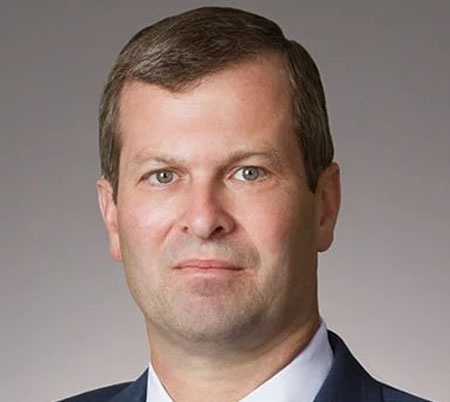
Eugene F. Assaf
We understand the concerns and pressure that come with every case. Our professional team provides you with personalized legal consultation, quickly develops a plan to protect your rights, assists you in pursuing your claims, and safeguards your interests. Contact us now for a tailored solution.